The guides
Each guide covers one part of getting started. Read them in order if you are brand new, or jump to the question on your mind.
Start here
A first month plan for adults and kids who have never played, with the order to learn things in.
SkillsSkating basics
Stance, stride, stopping and falling safely, on ice and on inline wheels.
SkillsStick skills
Grip, stickhandling, passing and the first shots to learn, plus drills for a driveway or garage.
GearGear fitting
How each piece should fit, head to toe, and how to pick a stick length and curve to start with.
RulesRules basics
Faceoffs, offside, icing and the common penalties, explained with rink diagrams.
RulesPositions
What centers, wings, defense and goalies do, and how roller hockey lines up with four skaters.
ChooseIce or roller?
How the two games differ in surface, skating, rules and gear, and which suits a hot place.
HeatStaying cool
Hydration, heat illness warning signs, and how to handle the jump from hot parking lot to cold rink.
PlayFind a rink
Public skates, learn-to-play programs, stick and puck, drop-in and beginner leagues, and what to ask.
Who stands where
Ice hockey: opening faceoff
- CCenterTakes the faceoff and links defense to attack.
- LWLeft wingWorks the left lane, covers the left point on defense.
- RWRight wingWorks the right lane, covers the right point on defense.
- LDLeft defenseGuards the left side in front of the net and moves the puck up.
- RDRight defenseGuards the right side and stays between attackers and the goal.
- GGoalieStops shots and talks to the players in front.
A hockey team on the ice has five skaters and a goalie. The diagram shows where one team lines up for the opening faceoff, defending the goal on the left. Select a player to read what that position does, or see the full positions guide. Roller hockey uses four skaters instead, and the ice or roller guide explains the other differences.
Why hockey works in a hot climate
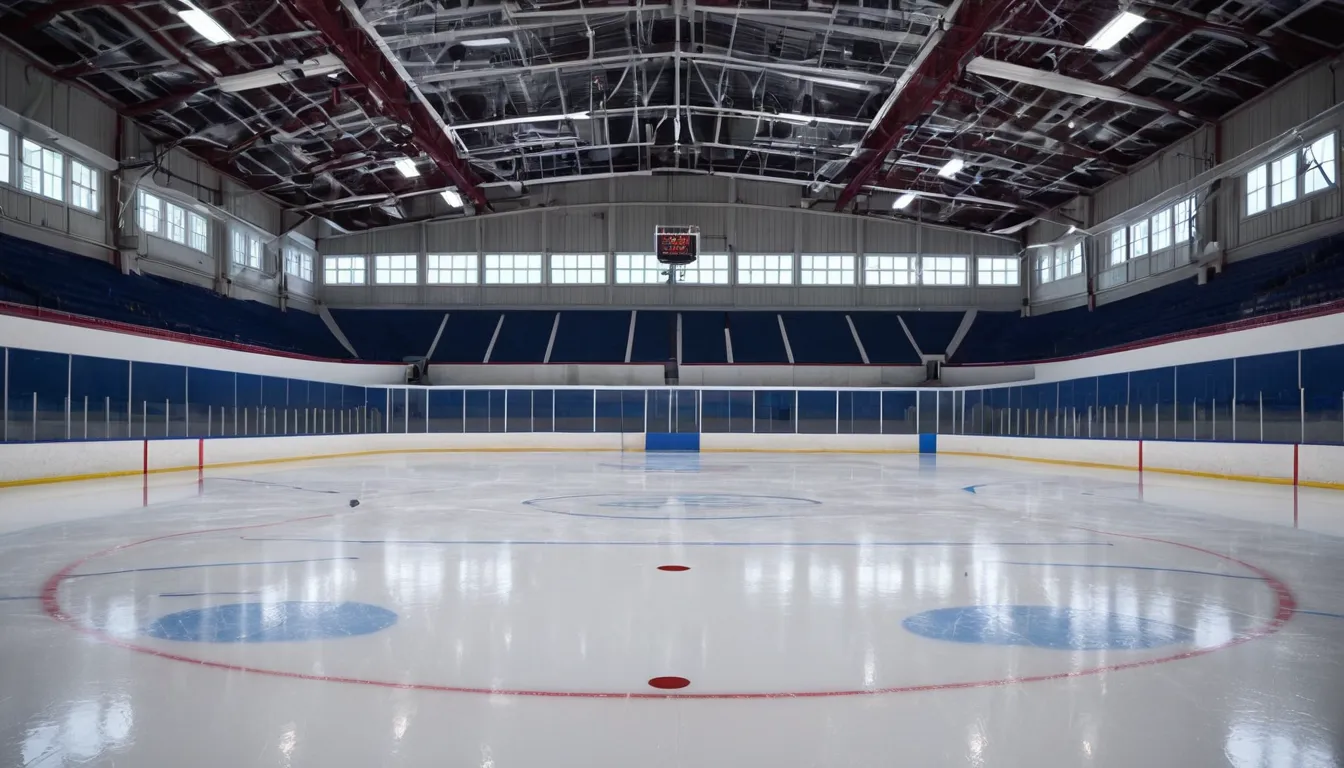
Hockey grew up in cold places, but it does not need cold weather. An indoor ice rink is cool all year, which makes it one of the few places where you can exercise hard in the middle of a desert summer. Roller hockey needs only a smooth surface, so many city parks in warm regions have outdoor rinks. Both games give you a team, a skill to work on and a reason to show up every week.
The heat does change a few things. Getting from a blazing car to a cold rink in full gear takes some planning. Outdoor roller courts can get dangerously hot in summer sun. And dry desert air pulls sweat off your skin so fast that you can lose a lot of fluid without feeling soaked. The staying cool guide covers all of that.
Where to begin
- Get on skates. Go to a public skate session at an ice rink or a roller rink. Rental skates are fine for this. See skating basics.
- Find a beginner program. Look for learn-to-skate, learn-to-play or adult beginner clinics. Find a rink lists the kinds of sessions to look for.
- Get fitted for gear. Some programs lend gear at first. When you buy, fit matters more than features. See gear fitting.
- Learn the basics of the game. Read rules basics and positions before your first scrimmage so the whistles make sense.
How we write these guides
We explain the game in general terms that hold across most recreational leagues. When rules or practices vary, we say so and tell you who to ask. We don't name teams, leagues or brands, and we don't sell gear. For anything about your health, such as playing in heat with a medical condition, talk to a doctor.
Common questions
Am I too old to start playing hockey?
No. Many rinks run adult beginner clinics and leagues for people who first stepped on skates in their 30s, 40s or later. Adult recreational hockey is usually played without body checking, and leagues are often split by skill level.
Should I start with ice or roller hockey?
Start with whichever is closer and easier to get to every week. Skating skills carry over in both directions, though stopping feels different. Our ice or roller guide compares the two.
Do I need to buy all the gear before my first session?
Not usually. Public skate sessions need only skates, which you can rent. Many learn-to-play programs list what they require and some lend equipment. Ask before you buy anything.